How Do Conspiracy Theories Spread?
Conspiracy theories are based on thinking patterns that are known to be unreliable tools for tracking reality. Learn about these problematic thinking patterns.

Conspiracy theories are based on thinking patterns that are known to be unreliable tools for tracking reality. Learn about these problematic thinking patterns.
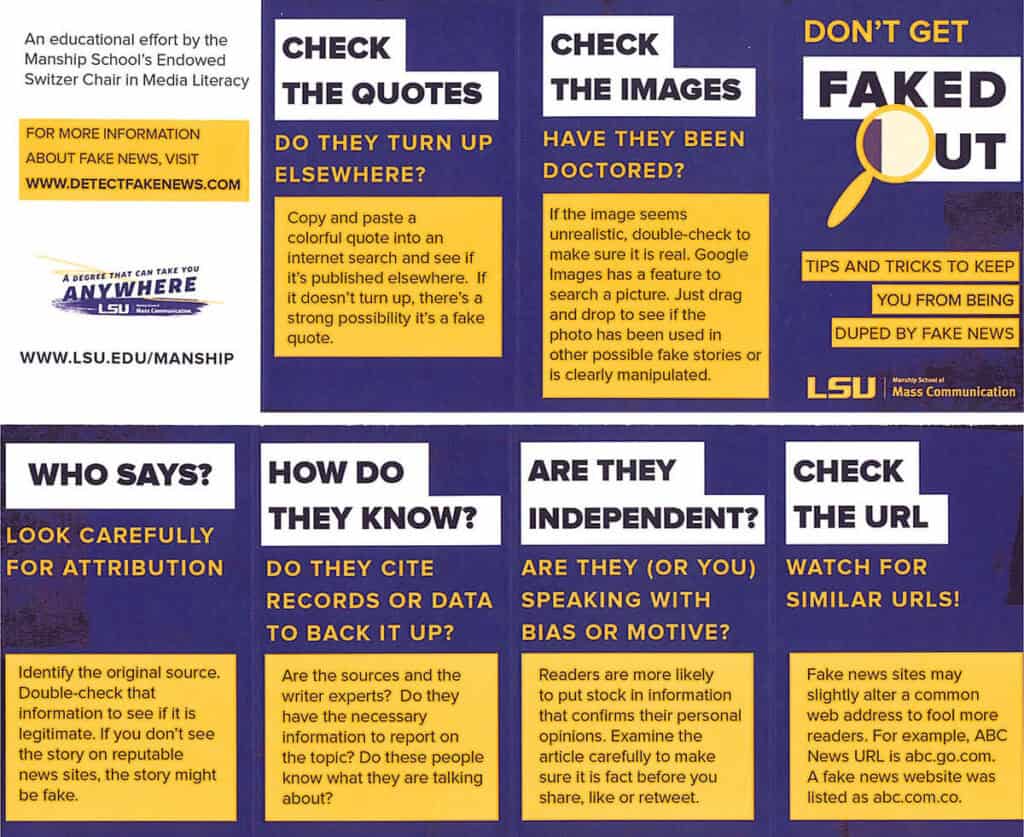
Being a critical consumer of information is the first defense against problematic news sources and misleading content.
Compelling stories of security failures and racial bias will likely emerge when journalists better understand the storming of the Capitol on Jan. 6.
A deepfake is a human video-audio manipulation that is based on artificial intelligence.

The President Trump’s assaults on democratic ideals date back to before he even formally held the office, when he attempted to undermine public trust in the news media during the 2016 election.
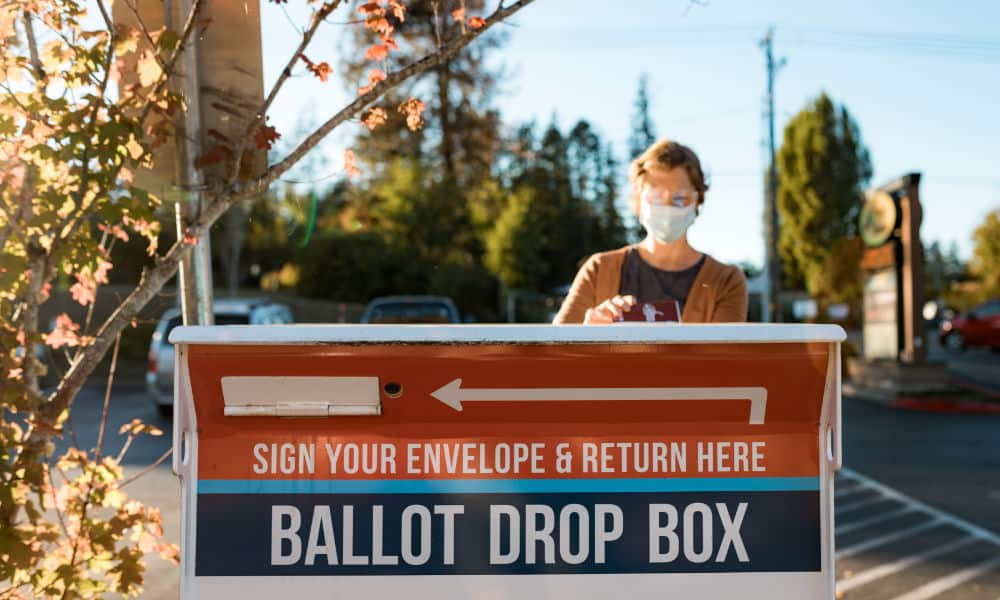
In the 2020 election, many people did not accept the outcome that Joseph Biden beat President Donald Trump.

Social media platforms and tech companies are developing tougher user policies and methods for detecting and removing fake accounts and misleading or false information ahead of the 2020 election.
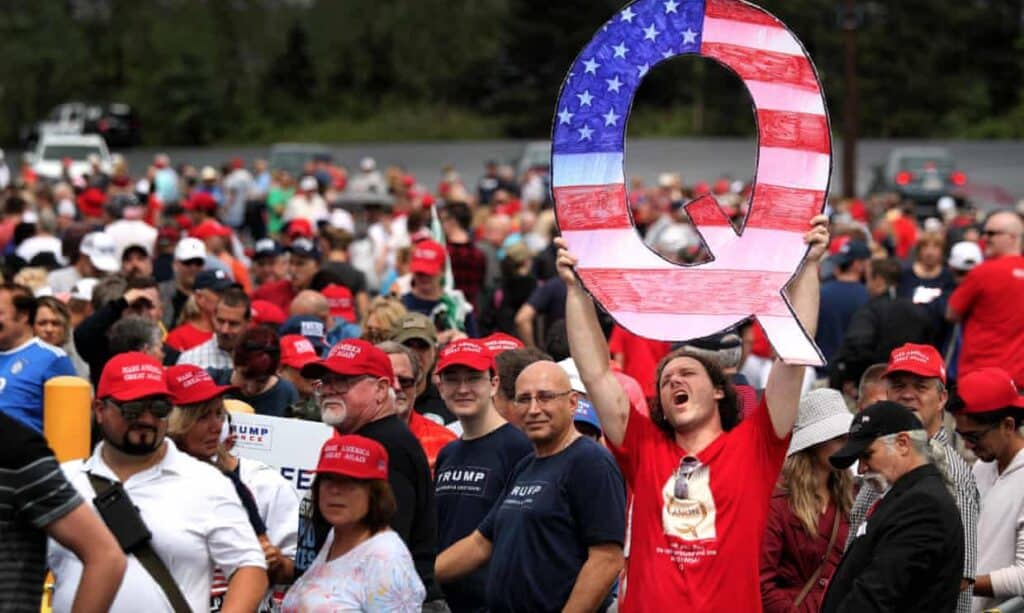
QAnon started as a far-right fringe conspiracy theory on the anonymous internet forum 4chan, but is now a growing cult-like movement threatening to infiltrate mainstream political discourse.
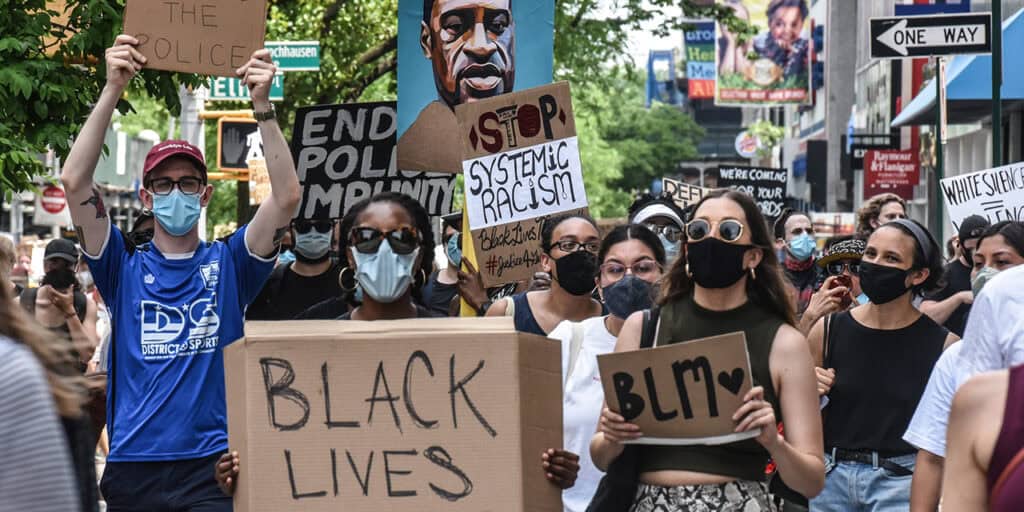
Civil unrest provides an opportune moment for bad actors to spread disinformation and to divide society. Feelings of fear, frustration and resentment can create a volatile information environment.
Information on the coronavirus wasn’t available quickly enough, which left a void for conspiracy theories and misinformation to fill in the gaps.
Category